A gig review has one job: to make someone who wasn't there feel like they missed something. Or, on a bad night, feel quietly relieved they stayed in. Everything else — the scene-setting, the biography, the clever aside — is decoration.
Most new writers get this the wrong way round. They file three paragraphs about the queue, the beer and the support act's haircut, then run out of words before the headliner has finished their second song. Editors spot it from the first line. Readers never get that far.
What follows is a working method, from the prep you do in the week before to the moment you hit send.
Decide What You're Reviewing Before You Get There
Listen to the record twice before the gig — once for pleasure, once with a notepad nearby. Find out whether there's a new album, a new line-up, a new direction. It takes an hour and it gives you something to say other than "they played the hits".
Then set yourself two or three questions you want the night to answer. Does the new material hold up live? Has the singer's voice survived the tour? Does this band belong in a room this size? You don't have to answer all of them in print, but they keep your eyes open while everyone else is filming the first chorus.
Sort the practical details too: stage times, whether you're on the guest list, who to speak to at the door, how you're getting home. Turn up for the support act. Not every opener deserves three hundred words, but you can't judge one you didn't watch.
Notes You'll Actually Be Able to Read
Take notes, but take fewer of them. The aim isn't a transcript; it's a handful of anchors strong enough to pull the night back into your head the next morning.
- Write times and events, not adjectives. "21:15, third song, drummer drops out, room goes silent" will serve you far better than "atmospheric".
- Capture a line or two verbatim — a between-song anecdote, a lyric delivered differently, a dedication. Exact quotes are the hardest thing to reconstruct afterwards.
- Roughly note the setlist. A running order tells you a lot about how a band sees itself.
- Mark three moments that stuck, not thirty. If you can't find three, that's information too.
- Leave the phone in your pocket between notes. You're there to watch first and write second, and it shows in the copy when a writer never looked up.
The Shape of It: What Goes Where
A review is not a running order. Nobody needs a song-by-song account unless the gig genuinely demanded one.
Open with a moment
Start in the room. One concrete image or sound from the night: the hum of an amp before the band walk on, a front row word-perfect on a song released three weeks ago, the silence before an encore nobody expected. Skip the weather and skip the bit about your journey.
Give the context in two sentences
Who they are, why this gig matters, where they've come from. If the reader needs more, they can find it elsewhere. Assumed knowledge beats a Wikipedia paragraph.
Spend the middle on your argument
This is the review. Two or three substantial paragraphs on what the band actually sounded like, backed by evidence: a specific song, a specific decision, a specific moment that proved or undermined your point. Words like "tight", "energetic" and "on form" say almost nothing. Saying that the new bassist played behind the beat all night, and that it transformed a song you'd previously found thin, says plenty.
Be honest about the wobbles
If something didn't work, say so plainly and move on. If nothing did, don't invent faults to look discerning.
Land it without a bow on top
End on your verdict, or on an image that carries it. Resist declaring the band's place in history. A good last line is usually quieter than writers expect.
Criticism Without Cruelty
Honest criticism is what separates a review from a fan's diary. It's also the part most new writers dodge, usually by stacking kind adjectives until a paragraph sounds positive without committing to anything.
- Attack the work, not the person. "The mix buried the bass all night" is useful. "The bassist seemed out of his depth" is not.
- Be specific about what failed and why it mattered. A muddy mix in a difficult room is a technical problem. A muddy mix that swallowed the best songs on the record is worth the space.
- Credit what worked before you take anything apart. It reads as fair, and it usually is.
- Ask whether the problem was the band or you. Wrong room, wrong mood, wrong expectations — all three produce bad reviews.
- Remember that people read this, including the band, their families and the promoter who might book your next interview. That isn't a reason to be soft. It's a reason to be accurate.
If you can't find anything useful to say, write a shorter review. There's no shame in 350 honest words.
Photography and Phones
If you're shooting as well as writing, decide which job you're doing at any given moment. Trying to do both badly is the most common mistake at a first gig.
Ask before doors. How many songs may you shoot? Is flash allowed? Where can you stand? The usual arrangement is the first three songs from the pit or the side, without flash, but the rules change from venue to venue and tour to tour, so don't assume.
Two things matter more than gear. Don't block the view of people who paid to be there — a photographer planted in the front row for a whole set is a problem, and so is a writer holding a phone aloft for two hours. And don't spend the gig behind a screen. No photograph will save copy written by someone who wasn't watching.
Deadlines, and Why Editors Keep Coming Back
Early on, reliability matters more than brilliance. A solid review filed on time earns you another commission. A brilliant one filed three days late often doesn't.
- File the morning after. Detail fades fast, and so does the sound of the room.
- Draft on the way home — three hundred scrappy words in a notes app beats a blank page the next day.
- Set your own deadline a few hours ahead of the real one.
- Keep to the word count you were given. Asked for 500 words? Send 500.
- Check every name, song title and venue spelling. Getting a band member's name wrong is the quickest way to lose an editor's trust.
Then stop fiddling. Most reviews improve for the first hour of editing and get worse after the third.
A Last Look Before You Send
- Does the first sentence give someone a reason to keep reading?
- Is there at least one specific moment from the night?
- Have you said clearly whether it was good, bad, or complicated?
- Would a reader who wasn't there learn something they couldn't guess?
- Are the names, spellings and setlist details right?
- Is it inside the word count and on time?
Six ticks and you're done. The best gig writers aren't the most naturally gifted ones in the room — they're the ones who paid attention, wrote it down while it was still fresh, and handed it in when they said they would. That's a habit, and habits can be built from the very next gig.
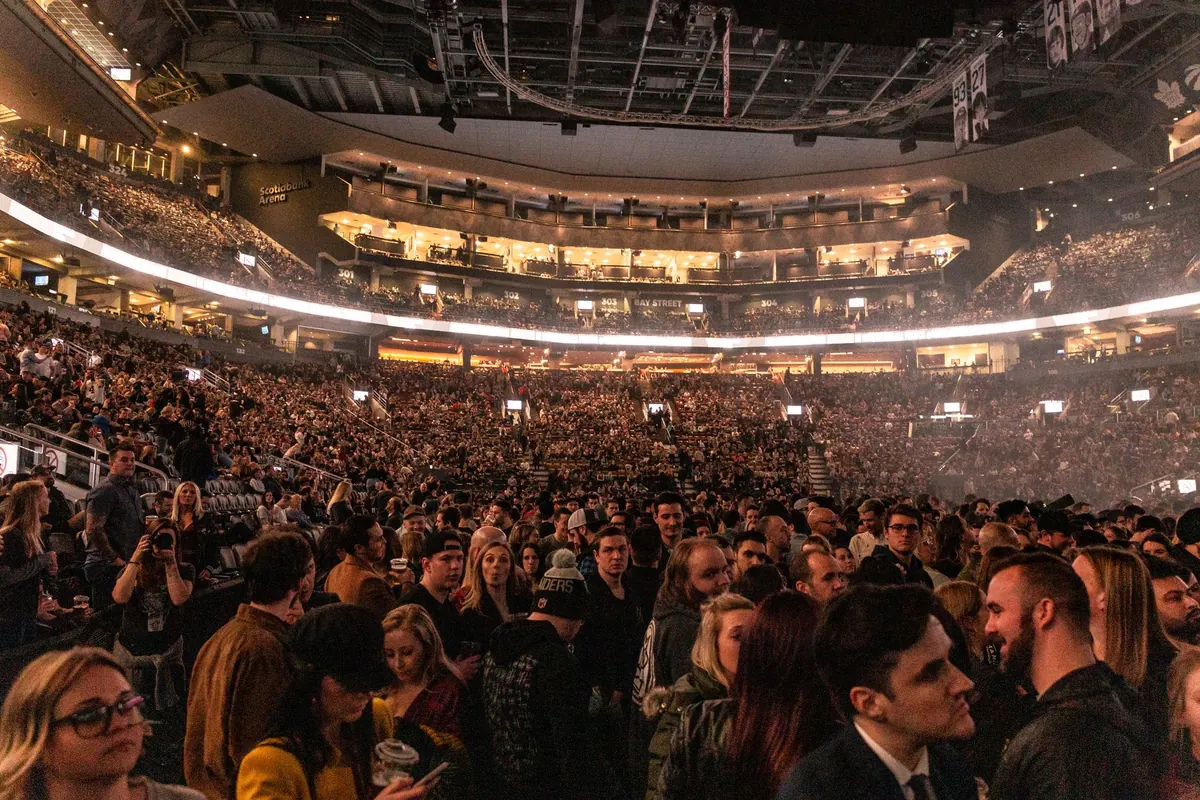
Photo: Pexels / Pixabay